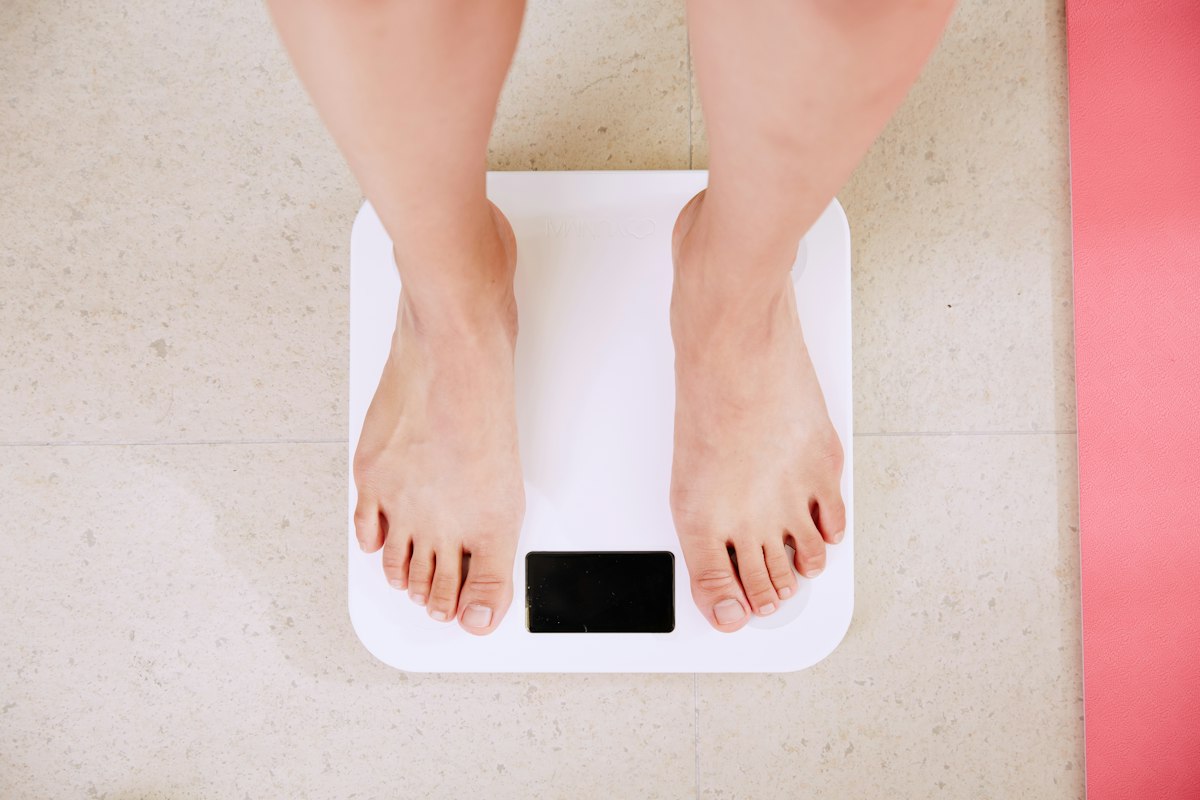
A BMI calculator turns your height and weight into a single number that doctors worldwide use as a first screening check for weight-related health risk. It takes seconds to use, but many people misread the result – either worrying too much about a borderline number or ignoring a real warning sign.
In this guide, you will learn how the formula works, what each range means, where BMI falls short, and which quick checks to combine with it for a clearer picture.
What Is Body Mass Index?
Body mass index (BMI) compares your weight to your height. It was designed to study large groups of people, and it is still the most common screening tool because it is cheap, fast, and needs no equipment beyond a scale and a measuring tape.
A BMI calculator does not measure body fat directly. Instead, it estimates whether your weight is in a range that is usually linked with lower or higher health risk for someone of your height.
The BMI Formula Explained
You can calculate BMI yourself in two ways.
Metric formula:
BMI = weight (kg) ÷ height (m)²
Imperial formula:
BMI = 703 × weight (lb) ÷ height (in)²
Two Quick Examples
- A person who weighs 70 kg and is 1.75 m tall: 70 ÷ (1.75 × 1.75) = 22.9
- A person who weighs 180 lb and is 70 inches (5'10") tall: 703 × 180 ÷ 4,900 = 25.8
A BMI calculator does this math for you, but knowing the formula helps you check whether you entered units correctly. Mixing up centimeters and meters is the most common error.
Adult BMI Categories
For adults aged 20 and older, these are the standard ranges used by the World Health Organization and most health agencies:
| BMI Range | Category |
|---|---|
| Below 18.5 | Underweight |
| 18.5 – 24.9 | Healthy weight |
| 25.0 – 29.9 | Overweight |
| 30.0 – 34.9 | Obesity (Class 1) |
| 35.0 – 39.9 | Obesity (Class 2) |
| 40.0 and above | Obesity (Class 3) |
Different Cut-Offs for Some Populations
Research shows that people of South Asian, East Asian, and some other backgrounds can face higher risk of type 2 diabetes and heart disease at lower BMI values. For this reason, health bodies in several Asian countries use lower thresholds, often treating 23 and above as an at-risk level. If this applies to you, ask your doctor which ranges they use.
Children and Teenagers
Do not use an adult BMI calculator for anyone under 20. For children and teens, BMI is compared with age- and sex-specific percentile charts, because body composition changes during growth.
How to Use a BMI Calculator Correctly
Small measuring mistakes can shift your result. Follow these steps for an accurate reading:
- Weigh yourself in the morning, after using the bathroom and before eating.
- Wear light clothing and no shoes.
- Measure height without shoes, standing straight against a wall, heels together.
- Enter units carefully. Double-check whether the tool expects kg or lb, cm or inches.
- Track your number over time rather than reacting to one reading.
Pro tip: Your height can be up to about 1 cm shorter in the evening than in the morning because spinal discs compress during the day. For someone 1.75 m tall, that 1 cm changes BMI by about 0.25 – enough to move a borderline result across a category line.
What BMI Cannot Tell You
BMI is useful, but it is a rough tool. Keep these limits in mind when you read your result from any BMI calculator:
- It cannot tell fat from muscle. A muscular athlete may show an "overweight" BMI with low body fat.
- It ignores where fat is stored. Fat around the stomach carries more health risk than fat on the hips and thighs.
- It may miss risk in older adults. People who lose muscle with age can have a "normal" BMI while carrying extra fat.
- It does not consider sex differences. Women generally carry more body fat than men at the same BMI.
None of this makes BMI useless. It means BMI is a starting point for a conversation, not a diagnosis.
The Unique Value Section: Pair Your BMI With Two Simple Checks
Here is a practical approach many health professionals use but few online guides explain. After you use a BMI calculator, add these two measurements. Together, they give a much clearer picture than BMI alone.
1. Waist-to-Height Ratio
Measure your waist at the midpoint between your lowest rib and the top of your hip bone. Divide it by your height (same units).
- Below 0.5 is a widely used healthy target.
- 0.5 or above suggests extra fat around the middle, even if your BMI looks normal.
A simple rule of thumb: keep your waist less than half your height.
2. Your Trend Over 6–12 Months
A single BMI number says little. A steady rise of 1–2 points over a year tells you much more. Record your BMI and waist size every month in a notebook or phone app.
Putting It Together
| BMI | Waist-to-Height | What It Likely Means |
|---|---|---|
| Normal | Under 0.5 | Low risk from weight alone |
| Normal | 0.5 or above | Possible hidden belly fat – worth discussing with a doctor |
| Overweight | Under 0.5 | Possibly muscular build – check body fat if unsure |
| Overweight or higher | 0.5 or above | Higher risk – a good time to plan changes |
What to Do With Your Result
- Underweight: Talk with a doctor to rule out medical causes and plan healthy weight gain.
- Healthy range: Keep active, eat balanced meals, and recheck every few months.
- Overweight or obese range: Focus on small, steady changes in food, activity, and sleep. Even losing 5–10% of body weight can improve blood pressure and blood sugar for many people.
Always speak to a qualified health professional before starting a major diet or exercise plan, especially if you have a health condition.
Expert Tip and Final Takeaway
A BMI calculator is a fast, free screening tool, and it works best when you use it consistently and read it alongside other signs. Measure carefully, track your trend, and check your waist-to-height ratio for a fuller view of your health.
Expert tip: Take your measurements on the same day each month, at the same time, under the same conditions. Consistent inputs turn a rough number into a reliable trend you can actually act on.